Featured
Table of Contents
Soon, customization will become much more customized to the person, permitting organizations to tailor their content to their audience's needs with ever-growing precision. Picture knowing precisely who will open an e-mail, click through, and make a purchase. Through predictive analytics, natural language processing, artificial intelligence, and programmatic advertising, AI permits online marketers to process and analyze big amounts of consumer data rapidly.

Services are gaining deeper insights into their customers through social networks, evaluations, and consumer service interactions, and this understanding allows brands to tailor messaging to motivate higher customer commitment. In an age of info overload, AI is transforming the way products are recommended to customers. Marketers can cut through the sound to provide hyper-targeted campaigns that provide the best message to the ideal audience at the best time.
By comprehending a user's choices and behavior, AI algorithms recommend items and relevant material, creating a seamless, customized customer experience. Think about Netflix, which collects huge amounts of information on its customers, such as seeing history and search questions. By examining this information, Netflix's AI algorithms create recommendations tailored to individual preferences.
Your task will not be taken by AI. It will be taken by a person who understands how to utilize AI.Christina Inge While AI can make marketing jobs more efficient and efficient, Inge points out that it is already affecting private functions such as copywriting and design.
"I stress over how we're going to bring future online marketers into the field because what it replaces the very best is that specific contributor," says Inge. "I got my start in marketing doing some fundamental work like designing e-mail newsletters. Where's that all going to originate from?" Predictive models are vital tools for marketers, making it possible for hyper-targeted methods and personalized consumer experiences.
Boosting Traffic With Powerful Content Optimization Tools
Organizations can utilize AI to fine-tune audience segmentation and determine emerging opportunities by: rapidly evaluating large amounts of information to gain much deeper insights into customer habits; getting more accurate and actionable information beyond broad demographics; and predicting emerging trends and adjusting messages in real time. Lead scoring assists organizations prioritize their prospective clients based on the likelihood they will make a sale.
AI can help improve lead scoring precision by analyzing audience engagement, demographics, and habits. Maker knowing helps marketers predict which causes focus on, improving strategy performance. Social media-based lead scoring: Information gleaned from social media engagement Webpage-based lead scoring: Examining how users interact with a company site Event-based lead scoring: Considers user involvement in events Predictive lead scoring: Uses AI and device learning to forecast the possibility of lead conversion Dynamic scoring designs: Uses machine learning to create models that adapt to changing behavior Need forecasting incorporates historic sales information, market trends, and consumer purchasing patterns to help both big corporations and little services expect need, manage inventory, optimize supply chain operations, and prevent overstocking.
The immediate feedback enables online marketers to change campaigns, messaging, and customer recommendations on the spot, based upon their now habits, guaranteeing that services can take advantage of chances as they provide themselves. By leveraging real-time data, services can make faster and more informed decisions to stay ahead of the competitors.
Online marketers can input specific guidelines into ChatGPT or other generative AI designs, and in seconds, have AI-generated scripts, posts, and product descriptions specific to their brand voice and audience requirements. AI is likewise being used by some online marketers to create images and videos, allowing them to scale every piece of a marketing campaign to particular audience segments and remain competitive in the digital marketplace.
Optimizing for AEO and Future AI Search Engines
Utilizing advanced device finding out models, generative AI takes in huge quantities of raw, disorganized and unlabeled data culled from the internet or other source, and carries out countless "fill-in-the-blank" workouts, attempting to anticipate the next element in a series. It fine tunes the product for accuracy and significance and then uses that information to produce original content including text, video and audio with broad applications.
Brand names can accomplish a balance between AI-generated content and human oversight by: Focusing on personalizationRather than relying on demographics, companies can customize experiences to individual clients. For example, the charm brand name Sephora uses AI-powered chatbots to respond to customer concerns and make individualized charm suggestions. Health care business are utilizing generative AI to establish tailored treatment plans and improve client care.
Translating the Intricacies of Next-Generation Semantic BrowsePromoting ethical standardsMaintain trust by establishing accountability frameworks to ensure content aligns with the company's ethical requirements. Engaging with audiencesUse real user stories and testimonials and inject personality and voice to develop more interesting and authentic interactions. As AI continues to progress, its impact in marketing will deepen. From information analysis to creative material generation, businesses will be able to use data-driven decision-making to personalize marketing campaigns.
Why Advanced Analysis Software Boost Traffic
To ensure AI is used responsibly and secures users' rights and personal privacy, companies will require to develop clear policies and guidelines. According to the World Economic Online forum, legislative bodies all over the world have actually passed AI-related laws, demonstrating the concern over AI's growing influence especially over algorithm predisposition and information personal privacy.
Inge likewise keeps in mind the negative environmental effect due to the innovation's energy intake, and the significance of alleviating these effects. One crucial ethical concern about the growing usage of AI in marketing is data privacy. Advanced AI systems depend on vast quantities of customer information to personalize user experience, but there is growing concern about how this data is gathered, used and possibly misused.
"I believe some sort of licensing offer, like what we had with streaming in the music market, is going to minimize that in regards to privacy of consumer information." Services will need to be transparent about their information practices and abide by guidelines such as the European Union's General Data Security Policy, which protects customer data across the EU.
"Your information is currently out there; what AI is changing is merely the elegance with which your information is being used," says Inge. AI designs are trained on data sets to recognize certain patterns or ensure choices. Training an AI model on data with historical or representational bias might lead to unreasonable representation or discrimination against particular groups or individuals, wearing down trust in AI and damaging the reputations of organizations that use it.
This is a crucial factor to consider for markets such as healthcare, human resources, and financing that are significantly turning to AI to notify decision-making. "We have a really long way to precede we begin remedying that bias," Inge says. "It is an outright issue." While anti-discrimination laws in Europe forbid discrimination in online marketing, it still continues, regardless.
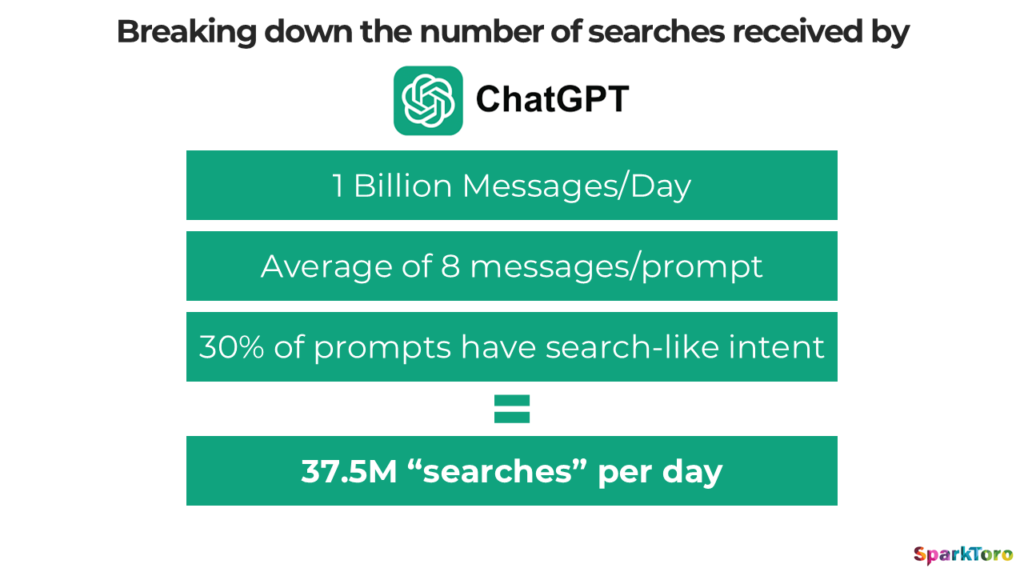
Optimizing for AEO and Future AI Search Systems
To prevent bias in AI from persisting or progressing maintaining this alertness is essential. Balancing the advantages of AI with potential negative effects to consumers and society at big is important for ethical AI adoption in marketing. Online marketers ought to guarantee AI systems are transparent and provide clear explanations to consumers on how their data is used and how marketing choices are made.

Latest Posts
What Evolution of Web Development beyond 2026
Optimizing for a Growth of Voice Search Queries
Mastering Conversational Search for Increased Traffic