Featured
Table of Contents
AI requires people to figure out whether or not the details it generates is precise, and appropriate mistakes as they happen. Look for client feedbackIn addition to divulging using AI, companies need to supply channels for consumer feedback to correct errors or express discomfort from AI interactions. This will help marketers provide an experience consumers will find reliable and useful.
"This will help marketers comprehend their abilities and limitations, make online marketers more comfortable and proficient at incorporating AI into their workflows, and remain up-to-date on patterns and advancement," she says. "Keep an eye on how AI is impacting different functions and tasks and proactively build your know-how." Start with the following actions: Get knowledgeable about the core principles of AI and device knowing Work on jobs that utilize data analysis and AI applications Find out how to utilize AI tools for material technique and seo Demonstrate your AI proficiency by showcasing projects To better target marketing efforts, enhance client engagement and conversion rates, specialists should be AI literate.
Experts can acquire a competitive benefit by mastering predictive analytics, generative AI, and marketing automation. Additionally, it is essential to stay up to date with the latest developments by reskilling, guaranteeing increased career durability. Targeting: Learn how to leverage AI to improve customer engagements and conversion rates Data-driven insights: Comprehend how AI systems use data so you can identify AI bias and fix it Automation: Streamline processes so you can focus on strategy, causing increased performance and efficiency Generative AI: Discover how to discover ingenious options and methodologies for information analysis and consumer engagement Principles: Understand issues relating to personal privacy and bias; important for accountable marketing practice Expert and Executive Development offers programs to help experts develop AI skills.
The 2024 State of AI in Marketing: Key Insights and Future Trends report paints a picture of a marketing market in transition. While AI adoption is accelerating, it discovers a significant space between specific enthusiasm for AI and organizational readiness. To bridge the gap, companies will need to purchase educating their labor force, developing policies and guidelines, and producing a roadmap for application.
Mastering Conversational Search for Increased Traffic
Organizations that equip their marketing leaders with skills in AI technology will get a substantial competitive edge over the competition. The two-day Changing Strategies with Generative AI Specialist & Executive Development program will prepare experts to lead AI-driven marketing efforts, leveraging cutting-edge AI tools such as hyper-personalization, predictive insights, and content automation.
As artificial intelligence alters the marketing industry, the worth of AI abilities and proficiency will only grow, bringing success to those who master them.
If you're a material marketer, you're probably feeling a mix of unpredictability and FOMO around the increase of generative AI. It's natural to feel overloaded and unsure of how to browse this new classification. If you want to stay competitive and not fall behind as AI becomes more widespread in marketing, it's vital to develop a framework for strategically leveraging AI in your material strategy.
The key is to utilize AI to improve and simplify your content execution, not to change the strategic thinking and perspective that just humans can supply. In this post, we'll break down the difference between material strategy and tactics, share specific use cases and tools for leveraging AI in your material workflow, and supply a step-by-step guide for auditing your procedure to determine chances for AI integration.
How to Scale Material Production in CharlestonBefore we dive into how to use AI, it is essential to differentiate in between your material strategy and your content tactics: Your lays out the objective, vision, and overarching strategy for your material. This consists of defining your content lanes, publishing cadence, content types, target audience, circulation channels, and success metrics. Your are the actual execution of that strategy.
Is Your Strategy Prepared for 2026 Search Shifts?
AI should be leveraged to streamline and enhance your content techniques needed for high-level content strategy. As advanced as language models have ended up being, they still can't reproduce the lived experiences, distinct point of view, and subject matter knowledge that you bring to the table. Developing a successful material method can be an overwhelming task for online marketers, often stuffed with many obstacles.
Online marketers are under constant pressure to come up with originalities, which can be psychologically tiring and disadvantageous gradually. Handbook SEO research study is another considerable obstacle. Making sure that content ranks well on search engines requires extensive keyword research study, pattern analysis, and staying upgraded with algorithm modifications all of which take in valuable time and resources.
Mistakes in material, from accurate errors to grammatical mistakes, can hurt a brand name's track record. Regularly preserving premium output is a perpetual struggle. Preserving a unified brand name voice across different platforms and channels is crucial but challenging. Inconsistent messaging can puzzle the audience and water down the brand's identity, making it harder to develop a strong market existence.
- requires elaborate coordination and flexibility. Each platform has its unique demands and audience habits, adding layers of intricacy to the technique. Comprehending these obstacles is the initial step towards overcoming them. With advancements in AI technologies, tools like RivalFlow and Grammarly are assisting marketers improve their procedures, reduce burnout, improve accuracy, and keep consistency, eventually causing more reliable and efficient content techniques.
Instead of investing hours combing through Google results, you can rapidly emerge the information you need. If you deal with an internal material group or external freelancers, you understand how time-consuming it can be to create detailed material briefs and details. With AI, you can create those briefs and lays out based upon your existing process, ensuring consistency no matter who is writing.
Optimizing for AEO and Future AI Search Engines
One of the most powerful applications of AI is utilizing it to produce very first drafts of material that are infused with your special viewpoint and voice. Instead of having the AI pull from its existing knowledge base, you can supply your own "training data" in the kind of records or recordings.
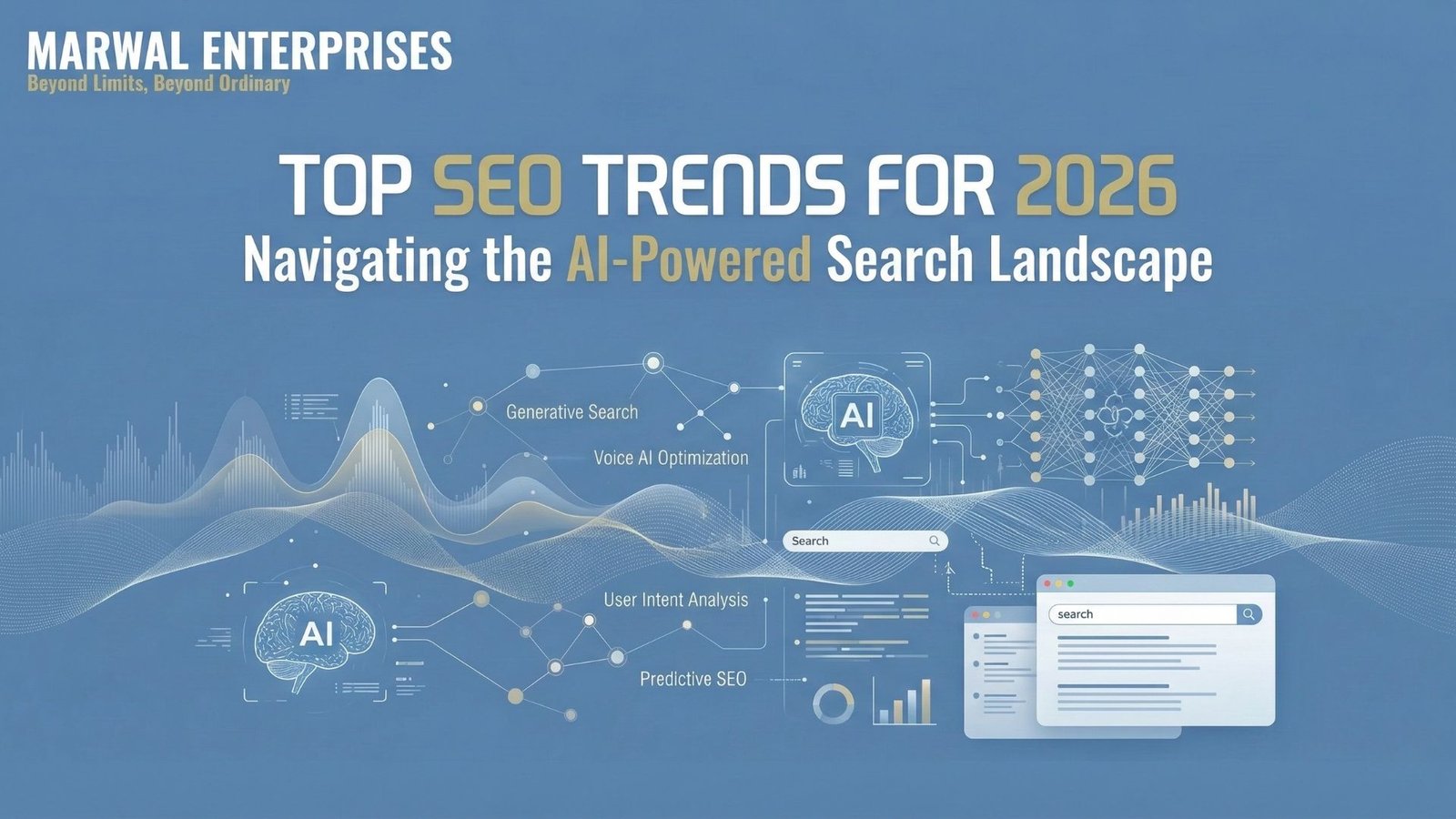
This allows you to efficiently move your subject matter knowledge into the AI's outputs. AI does not just help in preparing and editing; it also considerably reduces preparation time and help in overall company content creation.
AI tools can discover suggested keywords and optimization techniques to ensure your material ranks high in search engine result. Evaluation existing material to guarantee consistency and readability throughout channels, protecting your brand name's identity. AI can explore beneficial audience insights and content marketing efficiency, supplying important strategies, subject ideas, and SEO chances that may have been overlooked by human authors.

Latest Posts
What Evolution of Web Development beyond 2026
Optimizing for a Growth of Voice Search Queries
Mastering Conversational Search for Increased Traffic